Kofi “Funkz” Kyei Is Building the Infrastructure for Africa’s Creative Future
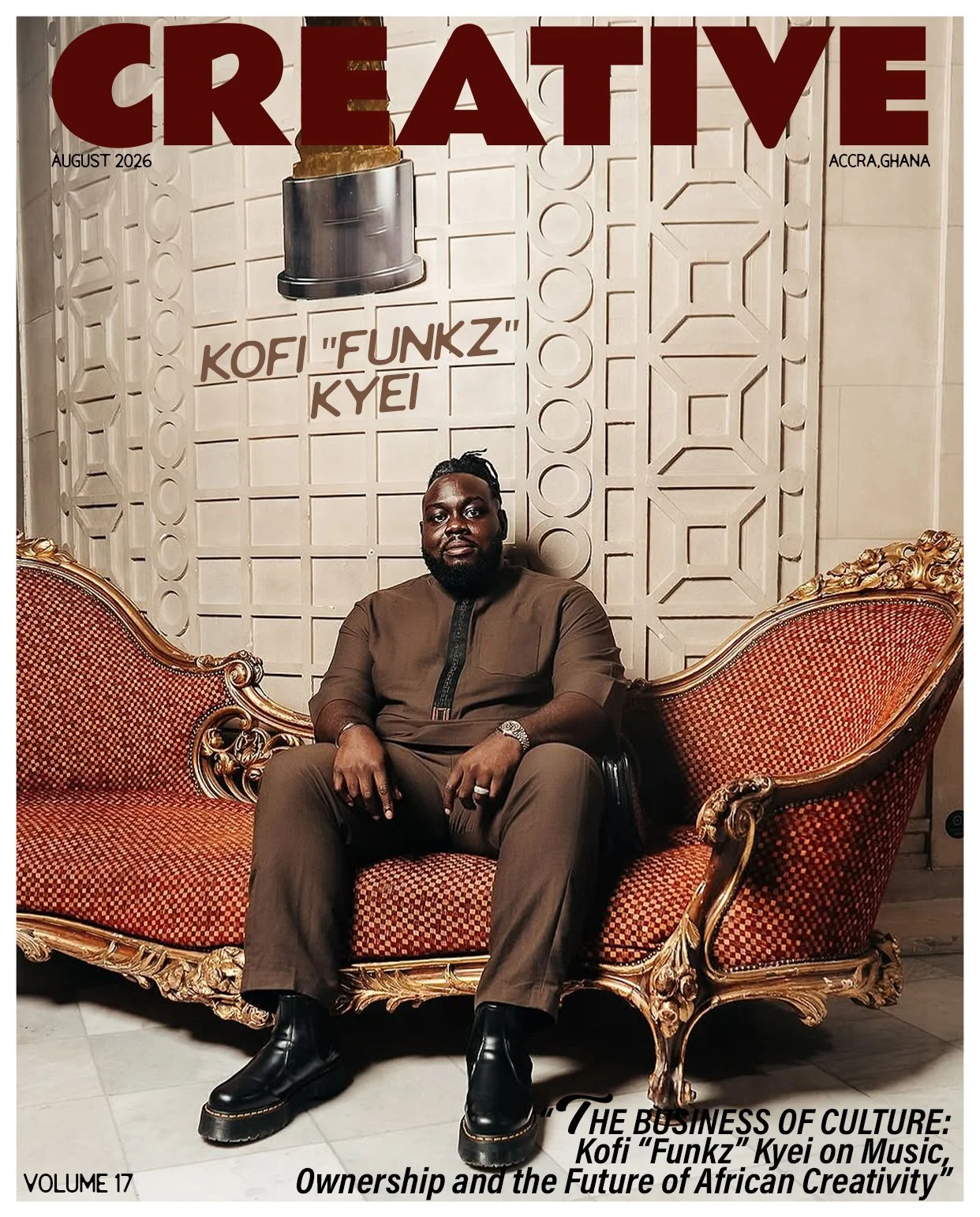
For Kofi Kyei, known amongst many as Funkz, culture has never been something to simply observe. Long before Crux Global became part of Ghana’s growing music infrastructure, Funkz was already experimenting with the mechanics of building culture which included organising crews, DJ’ing university parties, promoting events, managing artists and finding ways to connect African talent with audiences beyond the continent.
His entry into the creative economy began early. As a teenager, he formed what he describes as his first “label”, inspired by the grime scene in South London. Years later, university life saw him develop as a DJ and promoter, building events and audiences across the UK. His work with Fresh2Def and Mista Silva moved him further into artist management, while projects such as Ibiza Loves Afrobeats and relationships with artists including R2Bees and King Promise sharpened his understanding of the possibilities sitting between Africa and its diaspora.
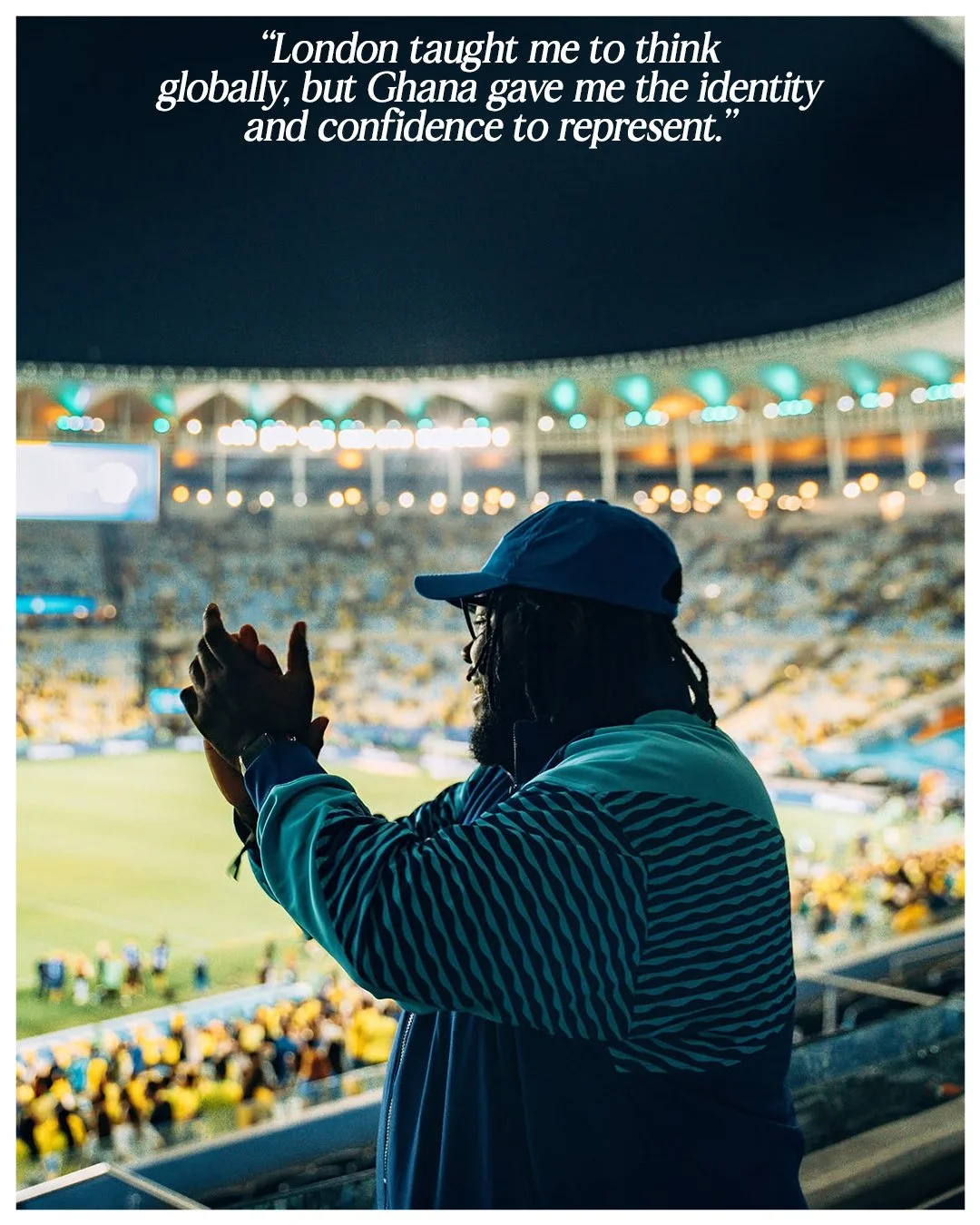
That experience eventually fed into Crux Global, the company he co-founded to address a gap he had watched develop in real time: African artists had the talent and the culture, but too often lacked the infrastructure, knowledge and access required to turn local momentum into sustainable global careers.
For Funkz, however, the work has never been solely about distribution. It is about building systems around culture that allow African creatives to participate in the global economy on stronger terms. He has watched the industry move from physical distribution to streaming, witnessed the rise of African music on the global stage and seen the diaspora become an increasingly important bridge between local culture and international audiences. His perspective is therefore less about chasing the next moment and more about building what comes after it.
At the centre of that thinking is a simple belief: Africa should not only contribute to global culture. It should own more of the infrastructure, businesses and value created from it.
You have spoken about the need for more music industry education in Ghana and beyond. Why is this focus so important, and what role do you think mentorship plays in the next generation’s success?
Education is critical because talent alone isn’t enough. Without understanding the business, too many creatives lose control of their value. That knowledge gap around rights, revenue and global systems is what holds the industry back.
Mentorship is how we close it. It fast-tracks experience, builds confidence and equips the next generation to move smarter so we can take control of our industry and build something that lasts beyond us.
In your view, what does it take for a Ghanaian artist to break outside the continent and find consistent global traction?
It takes consistency, clarity of identity and intentional global thinking. You need to show up consistently with quality music and a clear story that people can connect to anywhere in the world.
Collaboration is also key. Working across markets helps you tap into new audiences and positions you within different cultural spaces. But more importantly, it’s about building and nurturing your fanbase. Even if it starts with 100 people, those fans are everything. Engage them, represent them and grow with them. They’re the foundation of any global success
Right now, community is power. Engaging with different communities, both online and offline, is what drives momentum. The artists who win globally are the ones who understand how to build culture around their music, not just release songs. And beyond that, structure matters. Having the right team, strategy and distribution in place ensures that when the moment comes, you can actually sustain and scale it globally, not just go viral once.
What does “culture” mean to you in the context of creative work, and how do you push for it to be more than a hashtag in the industry?
Culture, to me, is identity. It’s how people live, express themselves and connect through music, fashion, language and shared experiences. It’s real, it’s lived and it carries meaning. In creative work, it’s about being intentional, making sure the stories we tell are authentic and rooted in real communities. It’s also about ownership and representation, ensuring the people behind the culture are the ones shaping it and benefiting from it.
For me, pushing culture forward means building it into everything we do, from the artists we develop to the partnerships we create, so it’s not just seen, but felt, respected and sustained over time.
There’s a broader conversation about Africa’s role in global creativity. What do you think the world hasn’t yet fully grasped about African music and culture?
I don’t think the world has fully grasped the depth and diversity of African music and culture. It’s often seen as one sound or one moment, when in reality it’s a collection of many different scenes, languages and movements all evolving at the same time.
There’s also an underestimation of the influence Africa has on global culture. A lot of what the world consumes is inspired by African rhythms, energy and storytelling, but the systems of ownership, infrastructure and value capture haven’t always reflected that.
What’s coming now is a shift from influence to ownership. African creatives are not just shaping culture, they’re starting to build the platforms, businesses and ecosystems around it. And when that fully matures, the global industry will start to understand that Africa isn’t just a source of inspiration, it’s a driving force.
What’s an assumption about the music industry that you’ve intentionally challenged through your work at Crux Global?
One assumption we’ve intentionally challenged is that this level of infrastructure and global-facing work has to come from outside Africa.
Through Crux Global, we’ve proven that an African company can operate at that level, building systems, driving strategy and competing globally while still partnering with international players. At the same time, we’ve focused on empowering local talent, both on the executive and creative side, so the knowledge, experience and value stay within the ecosystem.
It’s about building a long-term, self-sustaining industry from within, not just plugging into one from the outside.
How do you balance the commercial side of music distribution with cultural integrity and artistic vision?
It’s about alignment and structure. The commercial side and the creative side shouldn’t be in conflict; they should be working toward the same outcome.
From a distribution perspective, the role is to amplify what already exists, not reshape it to fit a market. We look at where the music naturally connects, then build a strategy around that, whether that’s the right platforms, territories or partnerships. The goal is to position the record properly so it can travel, not dilute it to make it fit.
At the same time, the commercial layer comes from understanding the audience and how they consume, where they engage and how value is created around the music beyond just streams. That’s where things like brand partnerships, live experiences and content ecosystems come in.
So the balance comes from having a clear strategy: protect the core of the music and the vision, but build a system around it that allows it to reach further, generate revenue and sustain itself long-term.
How do you see new tech — streaming, AI and immersive media — reshaping how African artists compete globally?
New technology is already changing how African artists compete globally and, in many ways, it’s levelling the playing field.
Streaming has removed the biggest barrier, which was access. Artists can now reach global audiences instantly, without needing to be physically present in those markets. It’s shifted the focus from location to strategy and consistency. AI is accelerating both education and productivity. Artists and teams can now learn faster, create more efficiently, analyse data and make smarter decisions in real time. It lowers the cost of entry and allows smaller teams to operate at a much higher level.
Immersive media, whether that’s live streaming, virtual experiences or interactive content, is opening up new ways to connect with fans globally. It means artists don’t just export music, they can export experiences and culture in a much more direct way.
But the real opportunity is in how all of this connects. The artists who win will be the ones who use these tools to build stronger systems, combining content, data, community and distribution to create scalable, global careers.
What does success look like for you in the next five years? not just for Crux Global, but for the broader movement of African creatives?
Success for me in the next five years is about scale and ownership, not just for Crux Global, but for the wider ecosystem of African creatives.
For Crux, it means building a truly global infrastructure, where we’re not just supporting releases, but driving culture, partnerships and opportunities across multiple markets in a consistent way. But beyond that, success is seeing more African creatives operating at the highest level with control, owning their masters, their brands and their narratives. It’s about moving from participation to leadership in the global industry.
I also want to see stronger systems on the continent, better education, better infrastructure and more collaboration between Africa and the diaspora so that success isn’t isolated, it’s repeatable. If in five years we’ve helped create an environment where African creatives can build sustainable, global businesses that outlive individual moments, then that’s real success.
Who or what keeps you grounded, personally and creatively, in all the work you do?
My culture is what keeps me grounded. It’s my foundation and a constant source of inspiration. Alongside that, my family and close friends keep me balanced and connected to what really matters.
Creatively, staying connected to the youth is a big part of it. They shape what’s next, so being in tune with how they think, move and express themselves keeps my perspective fresh.
I also make a conscious effort to keep learning and exposing myself to new things, new sounds, new ideas and new environments. That constant connection to growth is what keeps both my thinking and creativity evolving.
What is a moment in your career that made you rethink your approach to building systems for creatives?
One of the key moments for me was truly understanding how big and powerful the diaspora is, not just from an African perspective, but across different cultures globally.
It made me realise that success isn’t just about one market or one territory. Culture travels through people, and the diaspora is often the bridge between local scenes and global impact. That shifted how I think about building systems for creatives.
From that point, I started focusing more on connectivity, building structures that allow artists to move between markets and tap into different communities, and grow audiences across borders, rather than being confined to one space. It changed my approach from thinking locally to building with a global mindset from day one.
If you could share just one piece of advice with someone starting in the creative economy today, what would it be?
Believe that anything is possible, especially coming from Africa, where there’s still so much untapped potential and room to innovate.
Don’t wait for a blueprint. Some of the biggest opportunities come from doing what hasn’t been done yet. At the same time, study the game. There’s so much information out there, case studies, strategies, real examples. Learn it, understand it and then apply it in your own way.